The federal Labor government has announced a $644 million plan to establish 50 additional bulk-billing urgent care clinics by mid-2026, contingent on securing a second term in the upcoming election.
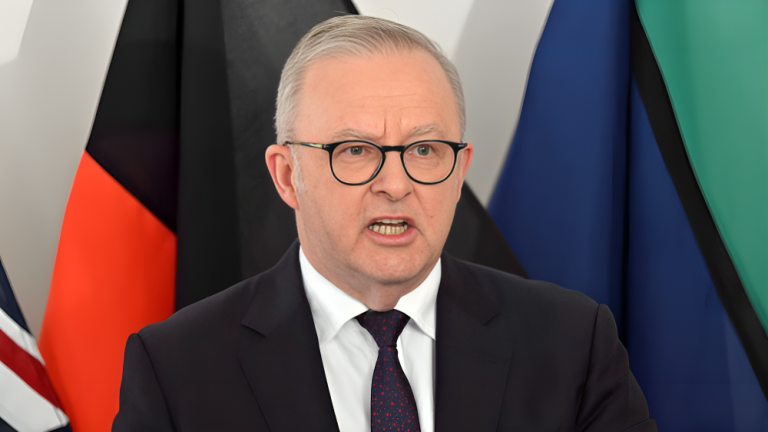
Prime Minister Anthony Albanese stated that this expansion would ensure that 80% of Australians live within a 20-minute drive of a Medicare urgent care clinic, further strengthening access to primary healthcare.
The proposed clinics will be distributed across every state and territory, with the final locations determined independently. This builds on Labor’s previous commitment before the last federal election, where it pledged 50 Medicare urgent care clinics but ultimately delivered 87 in government. If re-elected, Labor’s total would rise to 137 clinics nationwide.
According to the Department of Health and Aged Care, the existing clinics have already provided care to more than 1.2 million people. These facilities offer free treatment by GPs and nurses for non-life-threatening conditions, operating seven days a week with extended hours to ease the burden on public hospitals. Services include care for minor injuries such as cuts, fractures, burns, and suturing, as well as minor illnesses like bronchitis, gastro, and early pregnancy complications. Currently, one in three patients attending these clinics is under the age of 15.
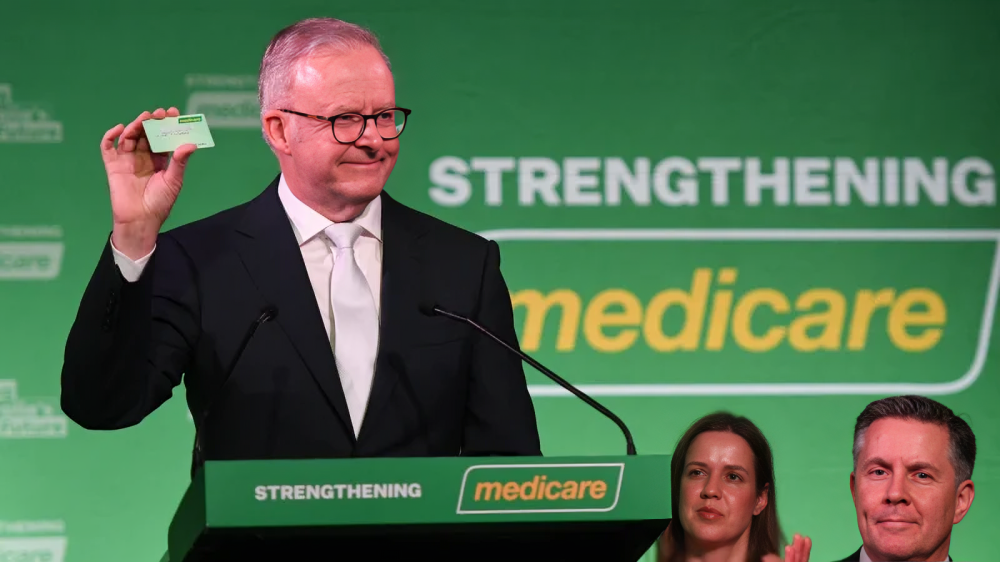
“This announcement of 50 additional urgent care clinics, if we are re-elected, will provide the urgent care people need – and all you will need is your Medicare card, not your credit card,” Albanese said on Saturday night.
The government has been prioritizing health-focused policy announcements in the lead-up to the election, which must be held by 17 May but could be scheduled as early as mid-April.
Funding for the new urgent care clinics has been allocated in the 2024-25 mid-year budget update. Additionally, last week, Labor pledged an $8.5 billion investment in Medicare, including 18 million extra bulk-billed GP visits annually, 400 nursing scholarships, and the training of 2,000 new doctors through general practice programs. The government described it as the “single largest investment in Medicare since its creation” over four decades ago.