The Egypt Healthcare Authority (EHA) has taken a significant step toward revolutionizing its healthcare sector by signing a Memorandum of Understanding (MoU) with Boston Consulting Group (BCG). This partnership aims to harness the power of artificial intelligence (AI) to transform healthcare delivery across the nation. According to EHA Chairman Ahmed El-Sobky, the collaboration underscores the agency’s commitment to leveraging data and technology for groundbreaking advancements in patient care.
How It Will Work
Central to this initiative is EHA’s extensive digital infrastructure. The authority boasts over six million electronic medical records and a staggering repository of 500 million radiology images. This vast dataset offers a goldmine for AI algorithms to analyze and generate actionable insights.
By deploying AI, the EHA aims to enhance health planning, streamline telemedicine services, improve radiology management, and facilitate early disease detection. These advancements promise to not only improve patient outcomes but also optimize resource allocation across the healthcare system.
The partnership also includes plans to establish Egypt and Africa’s first AI applications center in Ismailia. Envisioned as a regional hub for AI innovation, the center will launch in three phases, with a five-year roadmap to position Egypt as a leader in AI-driven healthcare. Early results are already promising—AI-powered building management systems at the Suez Medical Complex have reduced energy consumption by 25%, hinting at the broader potential of these technologies.
Why It Matters
This isn’t just a technological upgrade—it’s a transformation. AI in healthcare has the potential to deliver faster diagnoses, more precise treatments, and tailored patient care. For Egypt, which aims to expand its Universal Health Insurance system to include 6,000 family medicine units and 1,000 hospitals by 2030, such innovations could be a game-changer.
Beyond healthcare improvements, the integration of AI-driven solutions addresses sustainability challenges. Energy-efficient systems like those in the Suez Medical Complex align with global efforts to combat climate change, showcasing how technology can balance cost-effectiveness with environmental stewardship.
The Broader Context
Egypt’s ambitious AI strategy reflects a growing global trend of incorporating artificial intelligence into healthcare. From predictive analytics to AI-assisted surgeries, the field is rapidly evolving. However, Egypt’s approach stands out due to its focus on creating a robust data ecosystem coupled with a clearly defined innovation roadmap.
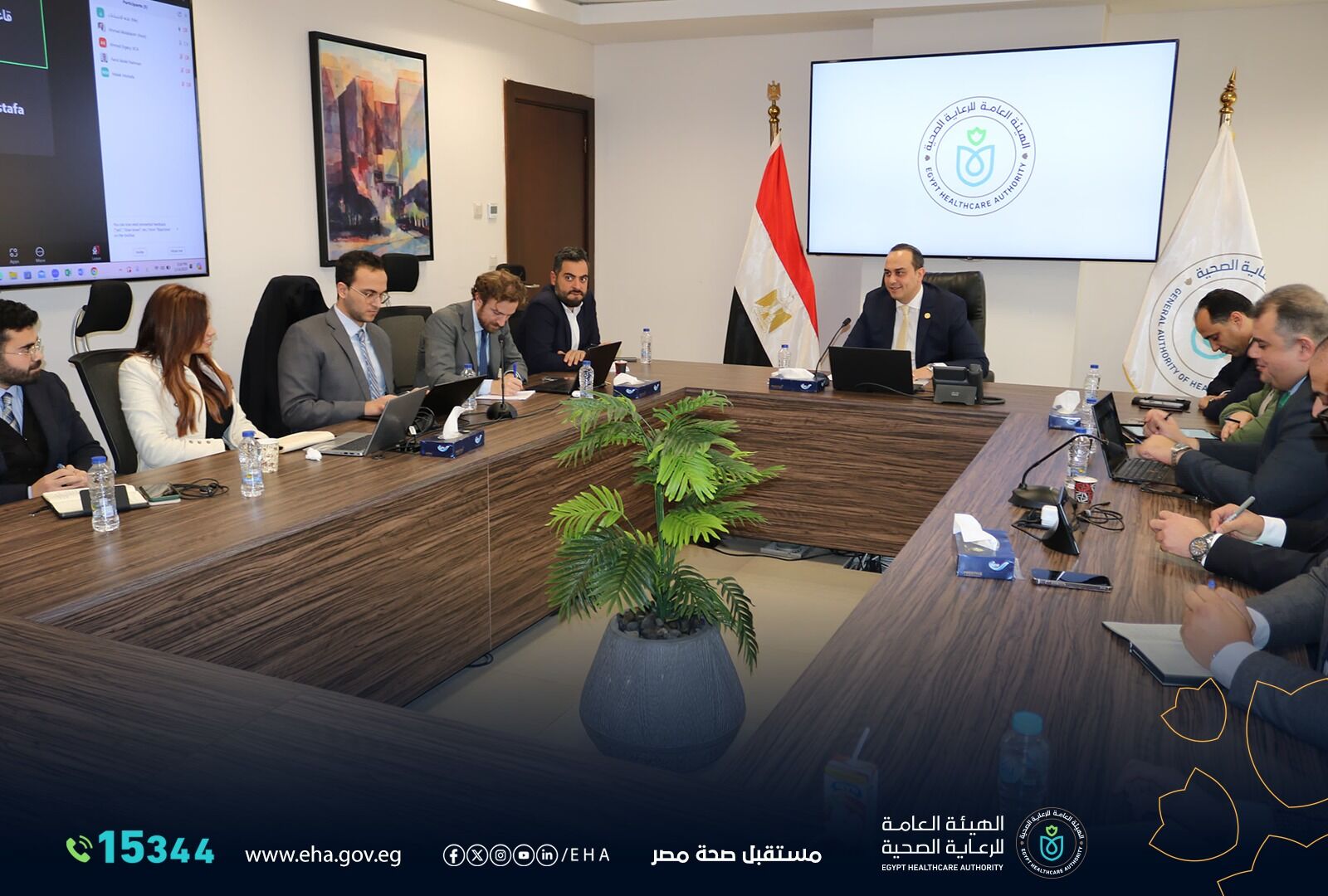
This vision is further bolstered by international collaborations. In a recent meeting with representatives from BCG and the Japan International Cooperation Agency (JICA), Ahmed El-Sobky emphasized that partnerships are pivotal to building a healthier, more resilient Egypt.
With Africa’s first AI applications center on the horizon, Egypt is positioning itself not only as a regional leader but as a global innovator in AI-driven healthcare. This initiative is more than progress—it’s the start of a healthcare revolution.