
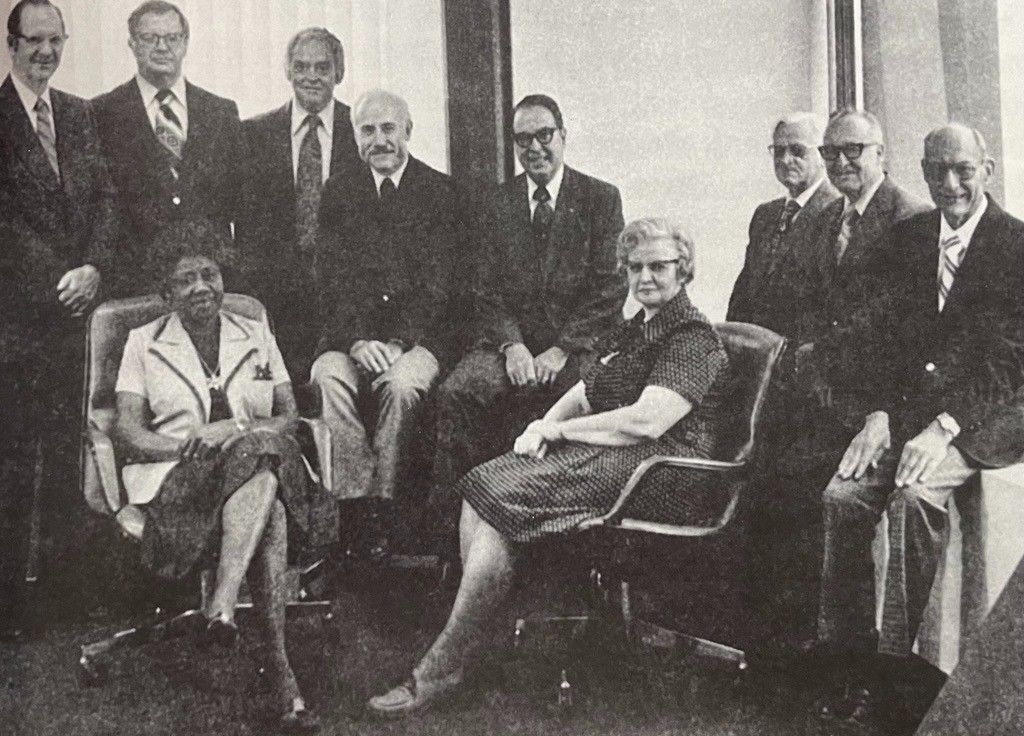
In 2026, The Joint Commission marks its 75th anniversary, celebrating more than seven decades as the nation’s leading healthcare accreditor.
For surgeons—and particularly Fellows of The American College of Surgeons (ACS)—the milestone represents far more than a commemorative achievement. It underscores the surgical profession’s foundational role in establishing hospital accreditation, outcomes measurement, and organized quality improvement and patient safety initiatives across the US healthcare system. The ACS was instrumental in the creation of Joint Commission and the standards that continue to influence healthcare delivery today.
The Origins of Hospital Standardization
In the early 20th century, hospitals across the United States operated with significant inconsistencies in quality, safety practices, staffing, and medical recordkeeping. Concerned by the lack of standardized care, Boston surgeon Ernest A. Codman, MD, FACS, championed an outcomes-based approach to hospital accountability.
Dr. Codman introduced the “End Result Idea,” a concept advocating that hospitals and physicians should systematically track patient outcomes to determine whether treatments were successful and identify lessons from adverse events. His efforts laid the groundwork for modern quality measurement and transparency in healthcare.
The establishment of the ACS in 1913 provided institutional support for these pioneering ideas. Hospital quality improvement rapidly became a core ACS priority, culminating in the launch of the Hospital Standardization Program in 1917—the first national initiative aimed at defining consistent standards for hospital care.
“The Minimum Standard” and the First Hospital Surveys
In 1919, the ACS introduced “The Minimum Standard,” a one-page document outlining essential hospital requirements. Though concise, its expectations were transformative for the era, emphasizing organized medical staff structures, accurate medical records, safe facilities, and appropriate diagnostic and therapeutic services.
When ACS surveyors began evaluating hospitals in 1918, the findings revealed widespread deficiencies. Of the 692 hospitals surveyed, only 89—approximately 14%—met the established standards. Rather than retreating from the initiative, the ACS expanded its efforts, refining accreditation benchmarks and publishing the first comprehensive hospital standards manual in 1926.
Over the following decades, the ACS Hospital Standardization Program evolved into the nation’s primary authority on hospital quality, influencing care delivery far beyond surgery and laying the foundation for modern accreditation systems.
The Formation of Joint Commission
By the mid-20th century, healthcare leaders recognized the need for a broader, collaborative accreditation body. In 1951, the ACS partnered with the American College of Physicians, American Hospital Association, American Medical Association, and Canadian Medical Association to establish the Joint Commission on Accreditation of Hospitals (JCAH), an independent nonprofit organization.
Crucially, the ACS transferred its Hospital Standardization Program directly to the newly formed Joint Commission, ensuring continuity in standards, survey methodologies, and quality philosophy. Accreditation activities under JCAH officially began in 1953, though the intellectual and operational framework remained deeply rooted in surgical leadership.
The significance of accreditation expanded dramatically in 1965 when Congress passed the Social Security Amendments, granting hospitals accredited by JCAH “deemed status” for participation in Medicare and Medicaid programs. This policy shift firmly established accreditation as a cornerstone of federal healthcare oversight and reimbursement.
Expanding the Scope of Healthcare Quality
Over time, Joint Commission accreditation extended beyond hospitals to include ambulatory care, behavioral healthcare, home care, laboratories, and long-term care facilities, reflecting the evolving continuum of healthcare delivery.
Today, Joint Commission’s mission—to enable and affirm the highest standards of healthcare quality and safety—continues to reflect the principles first advanced by Dr. Codman and institutionalized by the ACS.
Landmark initiatives such as the Sentinel Event Policy, National Patient Safety Goals, performance measurement systems, and the recently introduced Accreditation 360 program all reinforce the ongoing emphasis on outcomes, accountability, transparency, and continuous improvement.
Why the 75-Year Milestone Matters
For modern surgeons, Joint Commission standards have become an integral part of daily clinical practice. While accreditation requirements are often debated, their influence on healthcare quality and patient safety remains undeniable.
The organization’s 75th anniversary serves as a reminder that surgeons were not merely participants in the accreditation process—they were its architects. The ACS developed the original standards, conducted the earliest hospital surveys, and demonstrated that healthcare quality could be systematically defined, measured, and improved.
That legacy continues through contemporary ACS initiatives, including the National Surgical Quality Improvement Program (NSQIP), Committee on Trauma verification programs, and Commission on Cancer accreditation efforts. Each reflects the same commitment to data-driven improvement that launched hospital accreditation more than a century ago.
As healthcare increasingly moves toward outcomes-based accountability, public transparency, and system-level performance measurement, the enduring partnership between the ACS and Joint Commission remains highly relevant. Rooted in shared values of professionalism, self-regulation, and patient safety, the collaboration continues to shape the future of healthcare quality.
Seventy-five years after its founding, Joint Commission’s anniversary is more than an institutional milestone—it is a recognition of a surgical vision that helped define modern healthcare quality and safety standards and continues to influence patient care for generations to come.