
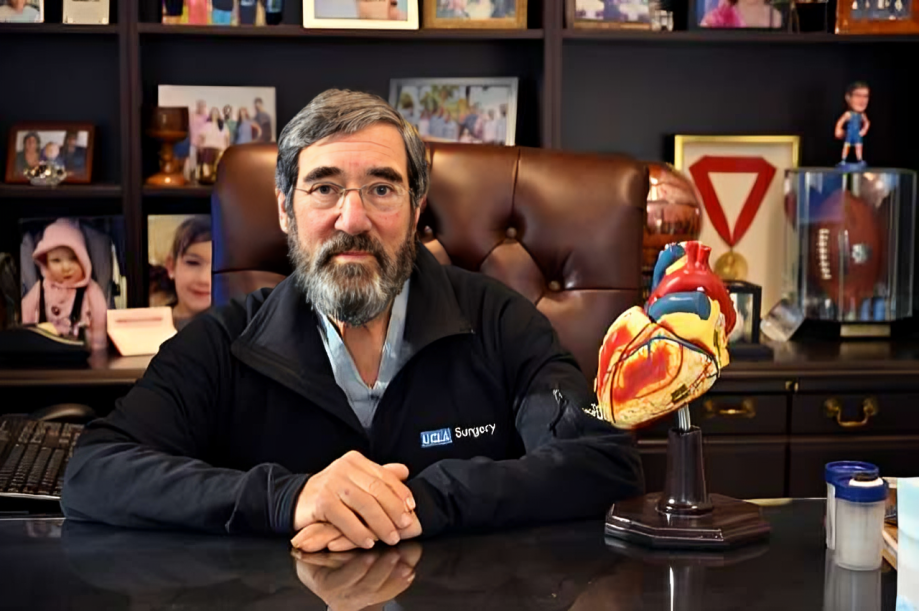
The University of California Health system has achieved significant savings of $15 million by leveraging advanced analytics on surgical data, a milestone facilitated by the University of California Cardiac Surgery Consortium (UCCSC). The initiative, which spans five medical centers, has streamlined care delivery, improved outcomes, and optimized costs by analyzing over a decade’s worth of surgical data, according to the university.
The Power of Data
The consortium’s approach involved evaluating 200 data elements per patient using advanced analytics. These insights have allowed for standardized, sustainable improvements in care quality. Among the outcomes, the pooled data contributed to 132 bed days saved, and commonly performed procedures, such as isolated coronary artery bypass grafting (CABG), demonstrated measurable gains. Between 2015 and 2023, these procedures saw:
- Early extubation rates increase by 22%.
- Blood utilization decrease by 8.26%.
- Ventilator hours reduced by 1.5 hours on average.
- ICU median length of stay shortened by 0.38 days.
- 30-day readmission rates drop by 3.96%.
The findings also highlighted lower rates of new-onset atrial fibrillation, with a benchmark of 25.4%—notably below the Society of Thoracic Surgeons’ standards.
Collaborative Framework
Established in 2012 by Dr. Richard J. Shemin, chief of cardiac surgery at UCLA, the UCCSC unites medical centers in San Diego, Irvine, Los Angeles, Davis, and San Francisco. The consortium’s cardiac surgery teams and database nurse coordinators meet biweekly and hold annual conferences to share insights and strategies.
The collaboration’s goals extend beyond quality improvement, aiming to:
- Reduce variability in procedures.
- Enhance cost optimization.
- Explore contracting opportunities like joint purchasing agreements.
Clinical data from each center is uploaded quarterly, with Biome Analytics—a cardiovascular technology firm—performing multivariable regression analyses on outcomes.
Financial Impact
From 2015 to 2023, cost-saving measures within the CABG procedures resulted in:
- $6.7 million in margin improvement due to early extubation.
- $3.6 million saved by reducing ventilation needs.
- $486,000 saved through 132 bed days.
Broader Implications
The UCCSC’s achievements align with a growing trend of data-driven healthcare optimization. In a related development, UCLA received a $120 million donation in September from Dr. Gary Michelson and his wife, Alya. The funds will support the California Institute for Immunology and Immunotherapy, focusing on rapid vaccine development and microbiome research to advance human health.
By combining collaboration, analytics, and innovation, the University of California Health system has set a precedent for cost-effective, high-quality care.