
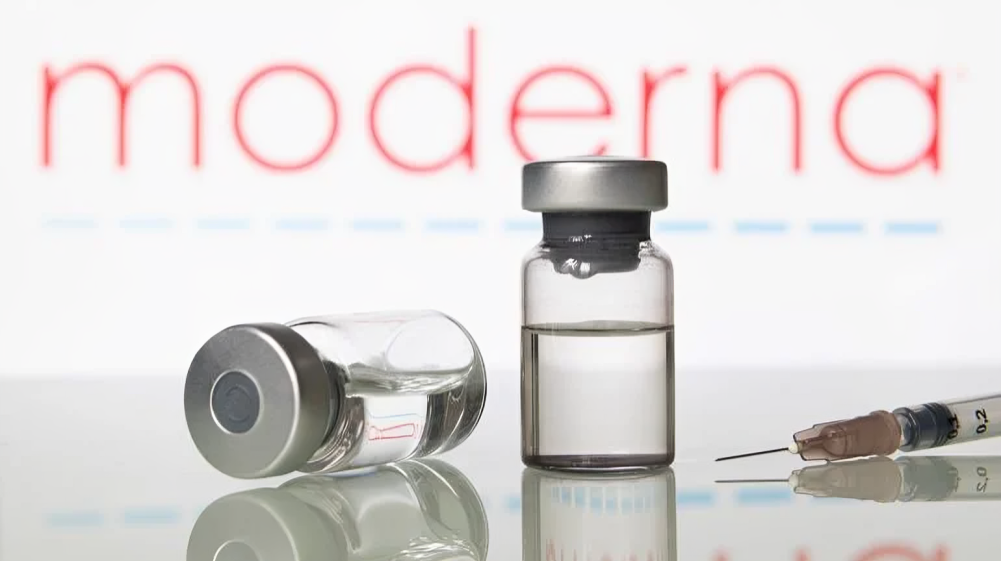
The Department of Health and Human Services (HHS) has announced a $590 million award to Moderna for the development of mRNA-based pandemic influenza vaccines, a decision unveiled just days before the inauguration of President Donald Trump. The announcement comes amid growing scrutiny over healthcare leadership transitions and ongoing vaccine debates.
Why This Matters
The announcement, made three days before the new administration takes office, underscores the federal government’s commitment to pandemic preparedness. However, it arrives at a turbulent time for HHS as key leadership decisions remain unresolved.
President Trump’s controversial nomination of Robert F. Kennedy Jr. to lead HHS has faced significant delays, with no hearing scheduled before late January, according to U.S. News & World Report. The nomination is complicated by Kennedy’s long-standing criticism of vaccines, which has raised concerns among public health experts and lawmakers.
Meanwhile, the Trump administration has reportedly instructed federal health agencies to halt all external communications. This directive, first reported by The Washington Post, affects agencies under HHS, including the Food and Drug Administration, Centers for Disease Control and Prevention, and National Institutes of Health.
RFK Jr.’s nomination has also drawn backlash from the medical community. Over 15,000 physicians nationwide have signed a letter urging the Senate to reject his appointment. The letter, organized by the Committee to Protect Health Care, criticizes Kennedy for spreading vaccine misinformation and likening vaccination programs to Nazi Germany.
In addition, Kennedy’s history of vaccine-related claims has further fueled skepticism. In May 2021, he publicly called for the federal government to revoke the authorization of all COVID-19 vaccines, according to ABC News.
The Broader Picture
The $590 million awarded to Moderna is intended to bolster the nation’s mRNA platform capabilities, ensuring preparedness against emerging infectious diseases. Moderna, a key provider of COVID-19 vaccines, will use these funds to accelerate the development of an H5N1 mRNA influenza vaccine.
This vaccine aims to address strains currently circulating in livestock and wildlife while expanding clinical data for mRNA vaccine applications in potential future pandemics. The funding was allocated through the Rapid Response Partnership Vehicle Consortium, supported by the Biomedical Advanced Research and Development Authority (BARDA), part of the HHS Administration for Strategic Preparedness and Response (ASPR).
Moderna’s mRNA-based influenza candidate leverages the same technology that underpinned its COVID-19 vaccine, which became one of the first FDA-authorized and FDA-licensed mRNA vaccines. HHS emphasizes that these advancements are critical to enhancing the U.S.’s ability to combat both current and future health threats.
What’s Next?
The unfolding controversy over RFK Jr.’s nomination, combined with the communication pause at federal health agencies, has sparked widespread concern about the trajectory of public health policy under the incoming administration. As the Senate prepares to deliberate on Kennedy’s nomination, the medical and political communities will be watching closely.