
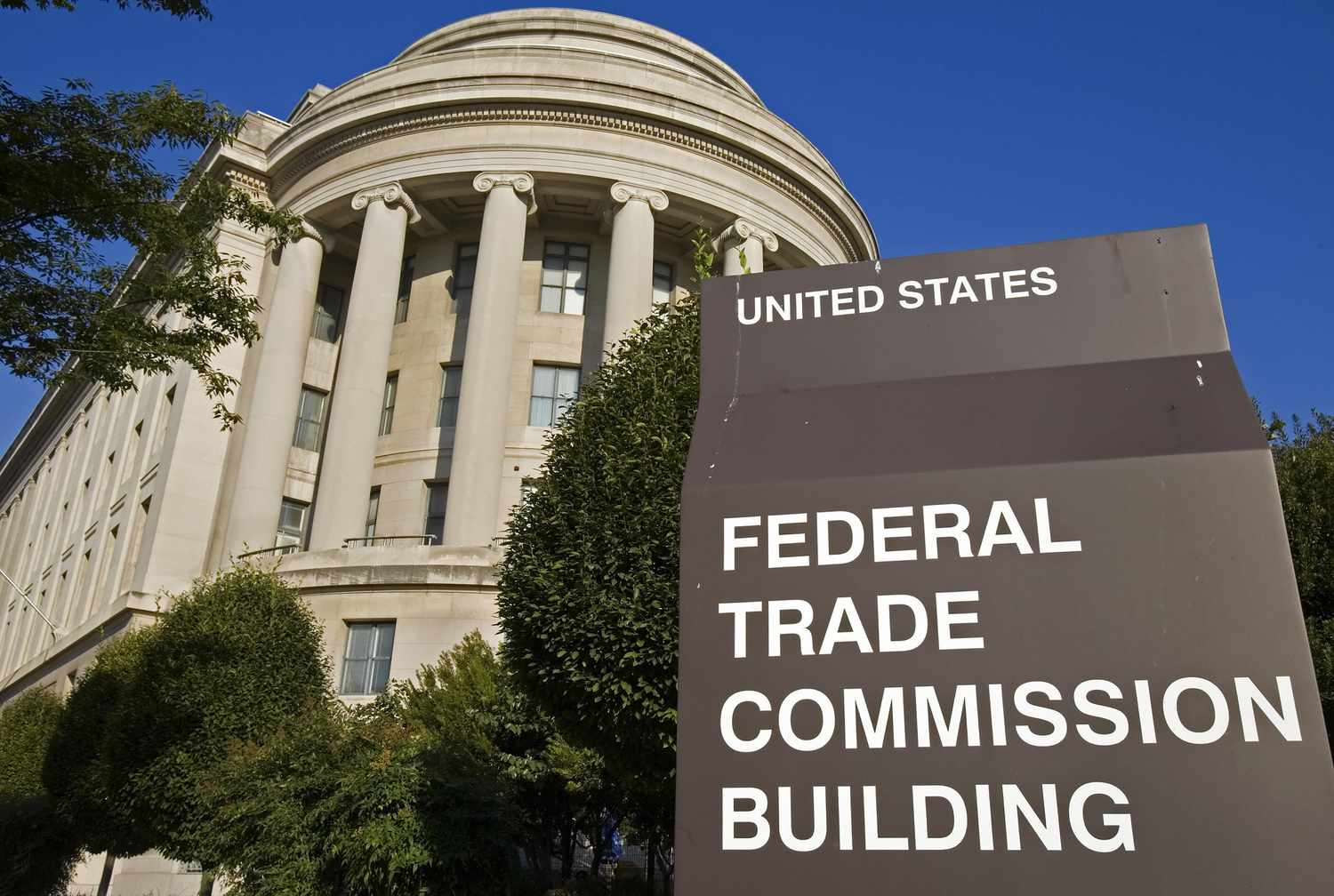
Agency highlights risks of misrepresenting health plan benefits and costs following consumer complaints.
The Federal Trade Commission (FTC) has issued a warning to companies involved in marketing and lead generation for health plans, urging them to avoid deceptive practices when promoting healthcare products. The agency emphasized concerns surrounding misleading claims about costs, benefits, and coverage—issues flagged through consumer complaints.
In letters sent to 21 companies, the FTC stopped short of issuing specific accusations. However, it raised red flags about practices like falsely advertising comprehensive coverage, misrepresenting plan costs, or promoting misleading incentives such as free offers, rebates, or cash rewards.
“It has come to our attention that companies that provide marketing or advertising, including lead generation, related to Affordable Care Act marketplace health insurance and healthcare-related products, may be violating the FTC Act and rules enforced by the Commission,” the agency stated.
Key Concerns and Penalties
Section 5 of the FTC Act explicitly prohibits deceptive claims. Violations can result in Federal District Court injunctions or fines of up to $51,744 per offense.
The FTC also pointed to complaints regarding unsolicited robocalls promoting healthcare products—potential breaches of the Telemarketing Sales Rule. Additionally, companies falsely claiming to represent government-sponsored health insurance plans may run afoul of the Rule on Impersonation of Government and Business.
The agency urged businesses to review all marketing efforts comprehensively, including paid ads, social media communications, websites, and promotions via third-party distributors and affiliates.
“You should conduct a comprehensive review of your marketing and advertising practices… to ensure that you are not engaging in deceptive or unfair conduct,” the letter advised.
The Bigger Picture
Deceptive Medicare and health plan marketing disproportionately impacts low-income seniors, who are twice as likely to report misleading advertisements compared to higher-income beneficiaries, according to a 2023 study by the Commonwealth Fund. Consumers earning less than $25,000 annually are especially vulnerable to misleading health plan claims.